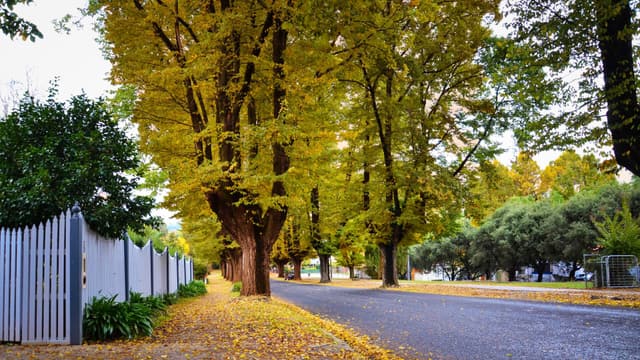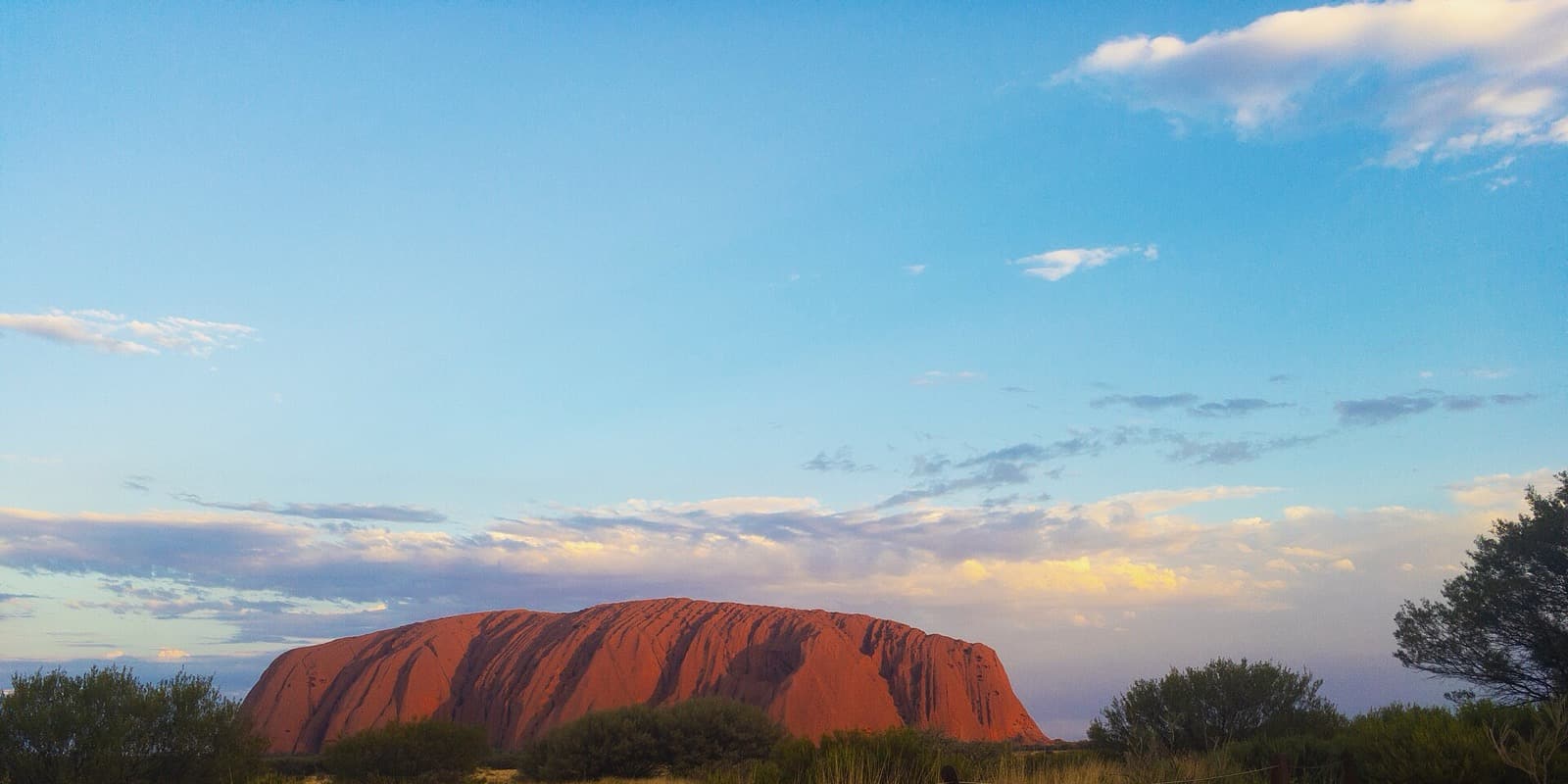
There is no single best time to visit Australia, because the north and south have opposite seasons for travel. The tropical north, from Cairns to Darwin and Broome, is best in the dry season from May to October, the Red Centre from April to September, and the southern cities and Tasmania from November to April. If you want one window that suits most of the country, September to November (spring) and March to May (autumn) are the safest bets.
- Tropical north: dry season May to October; wet season officially 1 October to 30 April.
- Uluru and Alice Springs: April to September; January averages 38.6 °C at Yulara, July nights drop to about 4 °C.
- Sydney, Melbourne, Adelaide, Hobart: warm and long days from November to April.
- Perth: spring and autumn are ideal; winter (June to August) is its wet season.
- Avoid peak prices in the Christmas to January school holidays if you can.
Australia is roughly the size of the continental United States, and it spans the tropics to the cool latitudes of the Southern Ocean. On a typical January day it can be 32 °C and pouring in Darwin, 39 °C and bone dry at Uluru, 26 °C and sunny at Bondi and 22 °C with a fresh southerly in Hobart. So the useful question is not when to visit Australia, but when to visit the parts you want to see.
When is the best time to visit Australia?
The short version: go north in the southern winter and south in the southern summer. Seasons are the reverse of Europe and North America, so summer is December to February and winter is June to August.
| Region | Best months | Why | Avoid |
|---|---|---|---|
| Top End (Darwin, Kakadu) | May to September | Dry, sunny, lower humidity | December to March: monsoon, floods |
| Far North Queensland (Cairns, reef) | June to October | Dry, mild, calm seas | January to March: heaviest rain |
| Kimberley (Broome) | May to September | Dry, warm days, cool nights | January to March: wet season, road closures |
| Red Centre (Uluru, Alice Springs) | April to September | Warm days, cold clear nights | December to February: extreme heat |
| South-east Queensland (Brisbane, Gold Coast) | April to November | Warm, drier, fewer storms | Peak storm season in summer |
| Sydney and NSW coast | September to April | Warm to hot, beach weather | Nothing extreme; June to August is cool |
| Melbourne, Adelaide, Canberra | November to April | Warm, long days | June to August: cool, grey |
| Tasmania | December to March | Mild days, long twilight | June to August: cold, wet in the west |
| Perth and the south-west | September to May | Dry and sunny | June to August: wet season |
Tropical north: wet season and dry season
The north has two seasons, not four. The Bureau of Meteorology defines the northern wet season as October to April. It starts with the build-up, from October to December, when heat and humidity climb and storms gradually become more frequent. The monsoon usually arrives in late December, bringing days of heavy rain. The dry season runs from about May to September.
The numbers show why the dry season is the time to go. At Darwin Airport, January averages 432 mm of rain over 19 rain days, while July averages just 1 mm and almost no rain days. The temperature barely changes, with average maximums between about 31 and 33 °C all year, but July nights fall to around 19 °C and humidity drops sharply. In Cairns, the wettest months, February and March, each average over 420 mm, against under 35 mm a month from July to September.
Two other hazards line up with the wet. The official tropical cyclone season runs from 1 November to 30 April. And marine stingers, including box jellyfish and Irukandji, are most dangerous in Queensland from November to May and in the Northern Territory from October to May. Our guide to the wet season and monsoon covers what to expect if you do travel then; the waterfalls in Kakadu and Litchfield are at their most spectacular, though many roads close.
The Red Centre: Uluru and Alice Springs
The centre is a desert with hot summers and surprisingly cold winter nights. At Yulara, the town next to Uluru, January averages a maximum of 38.6 °C, while July averages 20.8 °C by day and just 4.5 °C overnight. Alice Springs is similar, with July minimums averaging 3.9 °C, so frost is common on clear winter mornings.
April to September is the comfortable window, with May to August best for long walks. Heat is a real limit in summer: Parks Australia closes the Valley of the Winds walk at Kata Tjuta at the first lookout from 11 am when the forecast or actual temperature reaches 36 °C or more. If you visit then, walk at dawn. Rain is scarce at any time, with about 270 mm a year at Yulara, but when it comes it can close roads. Check the Uluru (Yulara) forecast before you set out, and pack a warm jacket for sunrise in winter.
The south-east: Sydney, Melbourne, Canberra and Adelaide
Summer is the season for the southern cities. Sydney averages 26 °C in January and 16.4 °C in July, so it is mild enough to visit year-round, with the sea warmest in February and March. Its rain is spread through the year but highest from February to June.
Melbourne is cooler and more changeable. Averages at Olympic Park run from 26.8 °C in January to 14.5 °C in July, and its weather can turn from hot northerlies to a cold southerly change in an afternoon. November to April is the best period, and autumn often brings Melbourne's most settled days. If you are planning a trip a few weeks out, the 14-day forecast for Melbourne is a better guide to the coming fortnight than any monthly average.
Canberra has the biggest swing of the capitals: summer maximums average 30 °C in January, while July nights average 0.1 °C. Adelaide is hot and dry in summer, averaging 28.7 °C in January, and wettest from May to August.
Tasmania
Tasmania is the place to go when the mainland is too hot. Hobart averages 21.8 °C in January and February, with long evenings, and it is the best time for walking at Cradle Mountain, Freycinet and the Overland Track. Winter is cold, with average July maximums of 11.9 °C in Hobart and snow on the mountains, which some visitors seek out. The west coast is wet year-round, so pack a rain jacket whatever the month.
Perth and the south-west
Perth reverses the east coast's pattern: it has a Mediterranean climate with hot, dry summers and wet winters. Perth averages just 16 mm of rain in January but 144 mm in July, the wettest month, and average maximums are above 31 °C in January and February. The afternoon sea breeze, the Fremantle Doctor, takes the edge off hot days near the coast.
Spring (September to November) and autumn (March to May) are the sweet spots for Perth, Margaret River and the south-west. The sea is warmest in March, at about 23 °C, so autumn is also the best beach season. Our guide to ocean temperatures around Australia has the month-by-month figures.
Average temperatures by city and month
Average daily maximum temperature (°C) from the Bureau of Meteorology's long-term climate statistics:
| City | Jan | Apr | Jul | Oct | Wettest months |
|---|---|---|---|---|---|
| Darwin | 31.8 | 32.8 | 30.7 | 33.4 | December to March |
| Cairns | 31.5 | 29.4 | 25.9 | 29.7 | January to March |
| Broome | 33.4 | 34.4 | 29.0 | 33.0 | January and February |
| Yulara (Uluru) | 38.6 | 30.0 | 20.8 | 32.6 | No reliable wet season |
| Alice Springs | 36.6 | 28.4 | 19.9 | 31.3 | No reliable wet season |
| Brisbane | 30.4 | 27.2 | 22.0 | 27.1 | December to March |
| Sydney | 26.0 | 22.5 | 16.4 | 22.2 | February to June |
| Canberra | 30.0 | 21.0 | 12.9 | 21.4 | Spread through the year |
| Melbourne | 26.8 | 20.9 | 14.5 | 20.6 | Spread through the year |
| Adelaide | 28.7 | 22.3 | 15.0 | 21.5 | May to August |
| Perth | 31.4 | 25.9 | 18.5 | 23.4 | June to August |
| Hobart | 21.8 | 17.5 | 11.9 | 17.1 | Spread through the year |
School holidays, crowds and stingers
Weather is only half of timing a trip. Australian school holidays push up prices and fill accommodation, especially the long summer break from mid-December to late January or early February, which is also when the tropics are at their wettest and the stinger season is in full swing. Shorter breaks fall around Easter, in late June and July, and in late September and early October, with exact dates varying by state. July is peak season in the north, when southerners head for the sun, and in the snowfields; see our snow season guide if you want to combine both.
The sweet spots for weather, prices and crowds together are usually May and early June, and late October through November, outside the holiday weeks.
Common questions
What is the best month to visit Australia?
For a trip that covers both north and south, October is hard to beat: the tropical north is still dry, the Red Centre is warm but not yet scorching, and Sydney and Melbourne are into spring. April is a close second, with the north just coming out of the wet season and the south still mild. If you can only pick one region, its best months differ, so check the table for where you're going.
Is December a good time to visit Australia?
December is good for the south, with long days, beach weather in Sydney, Adelaide and Perth and Hobart at its most pleasant. It is a poor time for the tropical north: the build-up is hot and humid, the monsoon usually reaches Darwin in late December, and stinger and cyclone seasons are under way. It is also the start of the busiest school holiday period, so book early.
Is July a good time to visit Australia?
July is the best month for the north and the centre. Darwin averages about 1 mm of rain in July with maxima near 31 °C, Cairns sits at about 26 °C, and Uluru has clear, mild days around 21 °C. In the south, July is midwinter: Melbourne averages 14.5 °C, Hobart 11.9 °C, and it is ski season in the Alps.
When is the best time to visit Cairns and the Great Barrier Reef?
June to October is the best time to visit Cairns for weather: the rainfall drops from over 400 mm a month in February and March to under 50 mm, humidity eases and days are about 26 to 30 °C. The water stays around 24 °C or warmer. November to May brings the wet season, the highest stinger risk and the chance of tropical cyclones.
What is Australia's coldest month?
July is the coldest month in most of Australia. Average maximums in July are about 16 °C in Sydney, 14.5 °C in Melbourne, 12 °C in Hobart and 13 °C in Canberra, where overnight minimums average around 0 °C. Even in the tropics July is the coolest month, with Darwin's average minimum dropping to about 19 °C.
When is the best time to visit Melbourne?
The best time to visit Melbourne for weather is November to April, when average maximums run from about 22 to 27 °C. March and April often bring settled, mild autumn days. Melbourne is famous for changeable weather, so even in summer pack a jumper: a southerly change can drop the temperature sharply in the space of an hour.